Fruit quality does not depend only on the chosen varieties or on the climate, but above all on soil nutrition. Well-nourished soil is the essential basis for healthy, tasty and nutritious produce. In this article we look at how soil fertilisation affects fruit quality and at the sustainable practices Top Melon uses to ensure balanced soil nutrition that respects the environment and consumer health.
How does soil nutrition affect fruit quality?
Soil nutrition determines the availability of essential nutrients for plants, directly affecting growth, yield and fruit quality. Soil rich in organic matter and micronutrients encourages strong roots and better nutrient uptake, resulting in better flavour, colour and texture. For melons, watermelons, brassicas and courgettes, a balanced supply of nitrogen, phosphorus, potassium and trace elements is essential, supporting not only growth but also disease resistance and efficient water use.
What are the sustainable practices for growing melons, watermelons, brassicas and courgettes?
Sustainable farming practices aim to preserve soil health and minimise environmental impact. Organic fertilisers, composting and crop rotation help maintain a natural balance, reducing the need for heavy chemical inputs. These strategies support soil biodiversity and ensure that nutrients are released gradually and steadily, contributing to high-quality fruit. Top Melon combines organic fertilisers and soil conservation practices to ensure optimal, sustainable nutrition for its crops.
Soil nutrition basics
Why soil nutrition matters
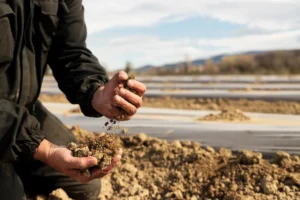
Healthy soil is the foundation of good growing. Well-nourished soil supports strong plant growth, improves fruit quality and contributes to environmental sustainability. Soil fertility affects not only yield but also the plants’ ability to withstand stress and disease.
Key principles of fertilisation
Fertilisation rests on a few key principles: supplying nutrients in a balanced way, improving soil structure and encouraging microbial activity. The fertilisation strategy must be adapted to the specific soil, considering pH, composition and crop nutrient needs. Base dressing and foliar feeding are used to supply nutrients in a targeted way during critical growth stages.
Soil nutrition for melons and watermelons
Specific nutrient requirements
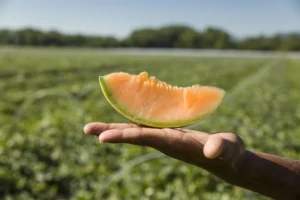
Melons and watermelons need a balanced nutrient supply, with particular attention to phosphorus and potassium, which are fundamental for fruit development. Careful soil management results in sweeter, juicier fruit with better eating quality.
Effective fertilisation strategies
Strategies include base dressing at the start of the growing season and foliar feeding during critical stages. These techniques keep nutrient levels steady in the soil, improving growth and fruit ripening.
Sustainable practices for melons and watermelons
Top Melon uses sustainable fertilisation methods to ensure optimal soil nutrition, with organic fertilisers and compost that improve soil structure and water holding capacity, reducing the use of harmful chemicals.
Soil nutrition for brassicas
Nutrient requirements of brassicas
Brassicas such as cabbage and broccoli need a significant nitrogen supply to form quality heads and leaves. Accurate fertilisation ensures balanced growth and greater disease resistance.
Best fertilisation practices
Organic fertilisers and regular nutrient supply through foliar feeding are the best practices for growing brassicas, ensuring the plants receive the right nutrients at every growth stage.
Sustainable brassica growing
Sustainable brassica growing means using organic fertilisers, reducing chemical inputs and keeping a good crop rotation, helping preserve soil health and farm biodiversity.
Soil nutrition for courgettes
Nutrient needs of courgettes
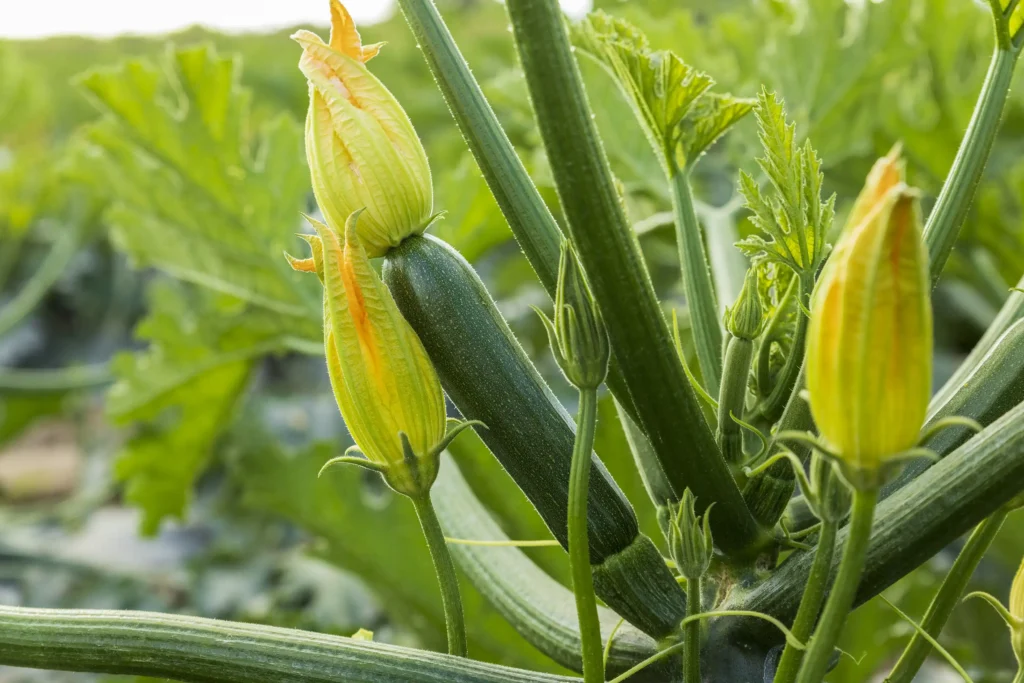
Courgettes need a good balance of nutrients, with particular attention to potassium and calcium, which are essential for fruit development and disease resistance. Correct fertilisation produces firm, high-quality courgettes.
Best fertilisation approaches
The best approaches include base dressing and targeted applications during the growing cycle. Slow-release fertilisers and crop-specific supplements keep nutrient levels steady in the soil.
Sustainable courgette growing
For courgettes, practices such as organic compost and low-water irrigation techniques are essential for balanced soil nutrition and lower environmental impact.
General sustainability techniques
Crop rotation
Crop rotation is fundamental to prevent nutrient depletion and to break the cycle of specific pathogens. Alternating crops with different nutrient needs helps maintain soil fertility and reduce the use of chemical fertilisers.
Composting and organic fertilisers
Compost and organic fertilisers are essential to enrich the soil with organic matter, improve its structure and encourage microbial life. These natural methods provide a steady source of nutrients and reduce dependence on synthetic fertilisers.
Water conservation and soil management
Practices such as drip irrigation and mulching help conserve water and keep the soil moist, both crucial for good plant nutrition. Careful soil management also helps prevent erosion and keeps the soil structurally stable.
Frequently asked questions
Which nutrients are essential for better melon and watermelon quality?
Nitrogen, phosphorus and potassium are fundamental, together with secondary nutrients such as calcium and magnesium, which support growth and fruit development.
How can I reduce the environmental impact of growing brassicas?
Using organic fertilisers, rotating crops and limiting pesticide use are key strategies to reduce environmental impact.
What are the signs of nutrient deficiency in courgettes?
Signs include yellowing leaves, poor growth and small fruit, which can point to a lack of potassium or calcium.
How does soil pH affect fruit quality?
A balanced pH, generally between 6.5 and 7.5, helps plants take up nutrients, improving fruit quality and flavour.
What are the benefits of crop rotation for the soil?
Crop rotation improves soil fertility, reduces the spread of pathogens and prevents nutrient depletion, providing a solid base for plant growth.
Conclusions
Soil nutrition is a fundamental part of producing quality fruit and sustainable farming. Balanced fertilisation, combined with sustainable management such as crop rotation, composting and water conservation, is the key to healthy, productive soil. Top Melon applies these techniques in its melon, watermelon, brassica and courgette crops, with a constant commitment to environmental sustainability and consumer health, helping to preserve natural resources for future generations.