For several years now, the most important challenge facing world agriculture, and one it will keep facing, has been to produce more to feed a growing world while reducing its impact on the environment.
There are several ways to do this, and integrated farming, for the advantages we will look at below, is one of the most effective.
Considered by many experts to be one of the most advanced growing methods, integrated farming can be seen as a production system that strikes the right balance between commercial and distribution needs (plentiful, regular supply) without compromising the protection of the environment and of consumer health, while ensuring a fair return for the grower.
This is possible thanks to the combined use of different agronomic practices and tools available to farmers which, integrated with one another, create a virtuous production process with a lighter ecological footprint.
What are the main features of integrated farming?
The regulatory framework
At European level, integrated pest management is governed by Directive 2009/128/EC, transposed in Italy by Legislative Decree no. 150 of 14 August 2012, which established the “National Action Plan for the sustainable use of plant protection products” (PAN) that integrated farming refers to.
The aim of the National Action Plan is to give farmers proper guidance on using alternatives to chemical products, and so to reduce the impact of plant protection products in agricultural and non-agricultural areas.
Integrated pest management does not therefore ban plant protection products, but among those available on the market it gives preference to those with the lowest risk for human health and the surrounding environment.
How it works in practice
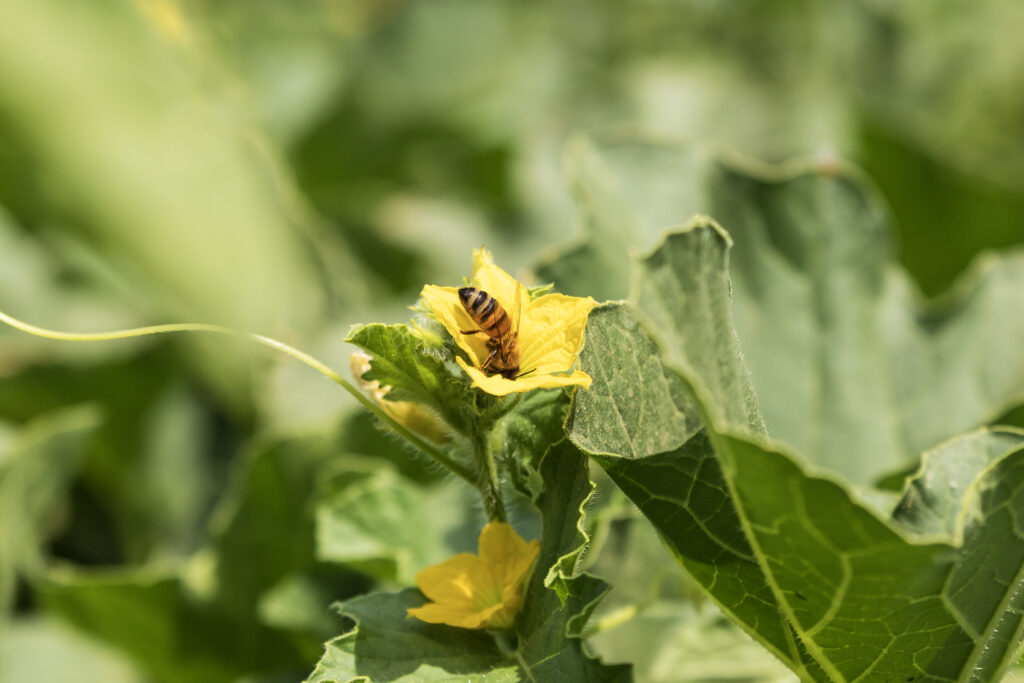
First of all, it should be stressed that integrated production can be seen as the link between conventional and organic farming: whenever possible, biological control (such as natural enemies of pests) or agronomic techniques that naturally limit weeds (hoeing, inter-row tillage or mulching) are always preferred to chemical means.
In addition, plant protection treatments under integrated management are always backed by field monitoring to detect the actual presence and level of diseases or harmful insects, and by forecasting models, plant health bulletins or DSS (decision support systems) where available.
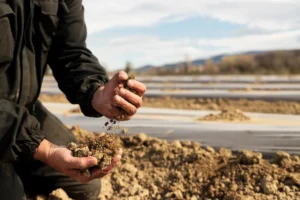
In terms of nutrition, fertiliser applications are also calibrated, based on fertilisation plans drawn up from soil analysis combined with the farm’s historical data for that operation.
Naturally, everything must be supported by careful assessment before each operation, so that it is carried out at the best time, is more effective and avoids losses or unwanted effects.
At Top Melon we grow our fruit and vegetables by carefully and rigorously applying integrated pest management guidelines.