An introduction to cabbage varieties
Why diversity matters in cabbages
Cabbages are among the most versatile and popular vegetable crops, thanks to their variety and their nutritional value. The diversity of types allows them to adapt to different climates and growing methods, supporting sustainable, varied production.
History and origins of cabbage varieties
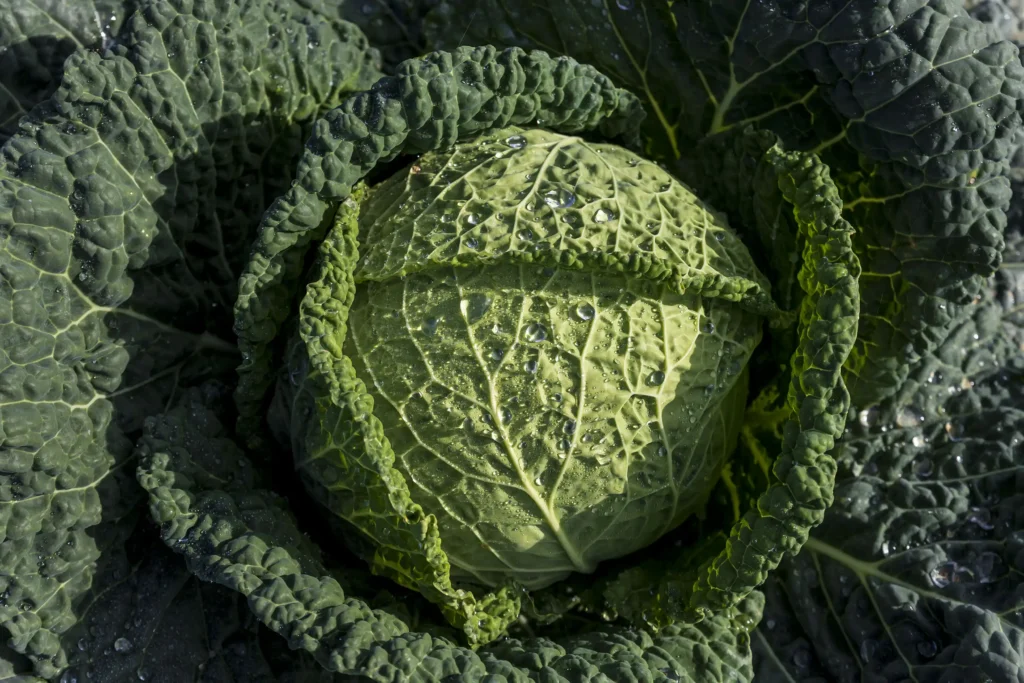
Native to the Mediterranean area, cabbages have been grown since ancient times. Today’s varieties, such as savoy cabbage, white cabbage, cavolo nero and coloured cauliflowers, are the result of centuries of selection and adaptation to different farming and food needs.
What do cabbages bring to the table?
Cabbages contain vitamins, minerals and fibre, and fit well into a varied, balanced diet.
How is traceability ensured in cabbage distribution?
Technology for traceability
Digital tools such as QR codes, blockchain and sensors can be used to monitor every stage of the supply chain, from harvest to retail, giving consumers transparency and safety.
The role of quality certifications
Certifications such as GLOBALG.A.P. and IFS Food help ensure that cabbages are grown and distributed according to high quality standards, building trust among buyers and consumers.
Sustainability in cabbage growing
Sustainable growing methods
Techniques such as crop rotation, natural fertilisation and efficient irrigation reduce environmental impact and preserve soil fertility.
Reducing environmental impact
Regenerative farming practices, biodegradable packaging and optimised transport all contribute to more sustainable production.
Cabbage distribution: from producer to consumer
Supply chain and logistics
From harvest to sale, logistics play a crucial role in keeping the product fresh and of high quality, thanks to cold chain systems and fast transport.
The cabbage market: current trends
Demand for sustainably grown cabbages and coloured varieties is growing, reflecting greater consumer interest in healthy, sustainable food.
Cauliflower varieties: white, purple, green and orange
Nutritional features of each variety
Each variety has its own profile: purple cauliflower contains anthocyanins, green cauliflower chlorophyll, orange cauliflower beta-carotene, and white cauliflower vitamin C and fibre.
Flavour and culinary uses
From the delicate taste of white cauliflower to the slightly sweet note of orange cauliflower, each variety offers its own culinary possibilities, from soups to oven-baked dishes.
Romanesco and Calabrese broccoli: two Italian specialities
Romanesco
With its unique geometric structure, romanesco contains vitamin C and fibre, and is as striking on the plate as it is versatile in the kitchen.
Calabrese broccoli in traditional cooking
A key ingredient in Italian cuisine, Calabrese broccoli is appreciated for its intense flavour and its versatility in pasta dishes and sides.
Top Melon’s role in cabbage distribution
Marketing and distribution
Top Melon promotes its cabbage varieties through targeted marketing and distribution to fresh produce markets.
Partnerships and distribution networks
The farm works with local growers and national distributors to deliver a high-quality, consistently fresh product.
Frequently asked questions
How does purple cauliflower differ nutritionally from white cauliflower?
Purple cauliflower owes its colour to anthocyanins, natural pigments with antioxidant properties that white cauliflower does not contain.
How does traceability help improve the quality of cabbages on the market?
Traceability ensures the product is monitored along the whole supply chain, supporting freshness and food safety.
Which sustainable practices are used in growing romanesco?
Crop rotation, natural fertilisers and reduced pesticide use all help keep farming sustainable.
How is Calabrese broccoli different from other broccoli?
It has a more pronounced flavour and a more compact texture than other types of broccoli.
What is the environmental impact of cabbage distribution and how can it be reduced?
Lower-impact transport and sustainable packaging are effective ways to reduce the ecological footprint of distribution.