
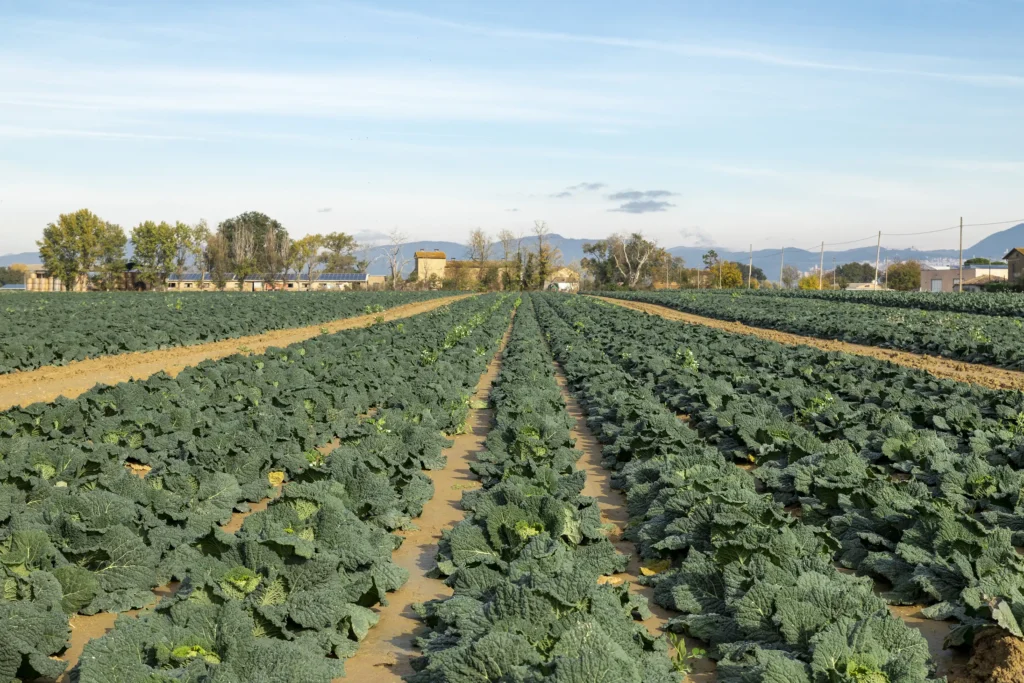
Bees are one of the most vital elements for modern agriculture and for protecting the environment. These pollinating insects not only ensure that plants can reproduce but also play a crucial role in maintaining biodiversity and in the production of key crops such as melons, watermelons and courgettes. Farms like Top Melon focus on bee-friendly farming, with strategies to protect and encourage bee populations, contributing to a more sustainable and resilient farm ecosystem.
Why are bees essential for sustainable agriculture?
Bees are exceptional pollinators: they carry pollen from one flower to another, enabling fertilisation and fruit set. Around three quarters of the world’s leading food crop types depend at least in part on animal pollinators such as bees. Without bees, harvests would drop drastically, threatening food security and the farm economy. Their contribution also extends to the quality of produce, improving yield and appearance. At a time when sustainability is at the heart of farming strategies, preserving bee populations is essential for long-lasting, environmentally friendly production.
How do bees support biodiversity?
Bees pollinate not only crops but also a wide range of plants in natural and cultivated environments. Their activity enables cross-pollination, ensuring greater genetic variability and more robust, resilient ecosystems. This diversity is essential for habitat stability, as it reduces susceptibility to diseases and pests and supports a lasting ecological balance. The presence of bees on farmland also encourages wild plants to thrive, contributing to a varied landscape and more fertile soil.
The importance of bees in pollinating melons and watermelons
The melon pollination cycle
In melons, bees play a decisive role: they visit the flowers and carry the pollen that allows fruit to form. This natural process is essential for high yields and quality fruit. A steady presence of bees in melon fields, as Top Melon’s initiatives show, is key to maintaining high quality and production standards.
The crucial role of bees in watermelon pollination
Similarly, in watermelon crops bees ensure the transfer of pollen and good flower fertilisation, resulting in juicy fruit of the right size. Watermelon yields depend heavily on active pollinators, which also improve the overall quality of the harvest.
Bees in courgette and brassica growing
How bees improve courgette production
Courgettes, like many other members of the cucurbit family, need proper pollination to reach their full production potential. Bees ensure that pollen is spread adequately, leading to more fruit set and higher productivity. The positive effect is also seen in quality, with more uniform, well-developed fruit.
Bees and brassicas
Cabbages and broccoli are harvested before flowering, but where brassicas are grown for seed, bees support cross-pollination and genetic diversity, contributing to stronger plants.
Bee-friendly farming practices
Strategies to protect and encourage bee populations
Bee-friendly farming includes a range of strategies to reduce pesticide use, preserve and create favourable habitats and introduce cover crops that attract pollinators. These practices are essential for the health of bee populations, which are threatened by many environmental and human factors.
The main strategies include:
- reduced and controlled use of pesticides;
- flowering strips along field margins;
- crop rotation and the preservation of natural habitats.
Sustainable growing in practice
Top Melon applies bee-friendly techniques, with agronomic practices that protect bees and support sustainable growing. These include integrated pest management and refuge areas for pollinators, contributing to a balanced, productive farm environment.
Towards more sustainable, biodiverse agriculture
Benefits for the ecosystem and the economy
Bees and other pollinators bring benefits that go beyond bigger harvests. They make ecosystems more resilient, support plant diversity and contribute to more stable and sustainable food production. This brings economic advantages for growers and for the whole food chain, encouraging innovation and reducing dependence on chemical inputs.
The future of sustainable agriculture
Looking ahead, it is essential to combine innovative technologies with traditional practices to create resilient, sustainable agriculture. Promoting bee-friendly techniques and investing in research to protect pollinators will be key to meeting environmental challenges and ensuring food security in the coming decades.
Frequently asked questions
What are the main threats to bee populations?
Excessive pesticide use, loss of natural habitats, climate change and diseases are among the most significant threats.
How can I make my garden more bee-friendly?
Planting wildflowers, reducing pesticide use and creating shelter areas are effective ways to attract and support bees.
Which crops benefit most from bee pollination?
Melons, watermelons and courgettes are among the crops that benefit greatly from bee pollination.
Are there alternatives to natural pollination?
Technologies such as mechanical pollination exist, but they are often less efficient and less economically viable than natural pollination by insects.
How can I help protect bees in everyday life?
Supporting sustainable farming, backing environmental policies and promoting local biodiversity are effective ways to protect these essential pollinators.
In conclusion, the role of bees in pollination is fundamental to crop productivity and to healthy ecosystems. Top Melon’s bee-friendly practices are part of a sustainable approach to farming that protects biodiversity and supports the future of food production. Preserving bee populations matters not only for the environment but also for the economy and for global food security.


